Leaf Peeping Without the Glare: Best Prescription Lenses for Scenic Drives Through Rensselaer County

Fall scenery throughout Rensselaer County can make for memorable drives, but changing sunlight, reflections, and road glare can create visual challenges. Whether you are traveling through East Greenbush or exploring nearby roads, having the right prescription lenses can help support clearer, more comfortable vision behind the wheel.
There is no single lens option that works best for every driver. The right choice depends on your prescription, daily habits, sensitivity to light, and whether you primarily drive during the day, at night, or both. During an eye exam and eyewear consultation, we can help discuss lens categories that may fit your needs.
Understanding Glare Reduction Lens Options
Prescription polarized sunglasses are one category many drivers consider for daytime glare management. Polarization can reduce reflected glare from surfaces like wet pavement, vehicle surfaces, and bright outdoor areas. This may be helpful during sunny scenic drives, but polarized lenses can sometimes affect visibility of certain digital displays, so it is important to test comfort with your vehicle’s dashboard and screens.
UV protection is another important consideration. A darker lens does not automatically mean better UV protection. Look for lenses that are labeled with appropriate UVA and UVB protection or UV400 protection, and ask about how the lens features work together.
Improving Comfort In Changing Light
Clear lenses with anti-reflective coatings are another option to discuss, especially for drivers who notice distracting reflections on their lenses. These coatings can reduce lens surface reflections and may improve visual comfort in lower-light situations, but they do not remove all sources of headlight glare or replace a complete vision evaluation.
Photochromic lenses are also available in different designs. Some UV-activated lenses may darken less behind a windshield because vehicle glass can block some ultraviolet light. Certain newer visible-light-activated designs may respond differently, but performance can vary based on the specific product, temperature, and lighting conditions.
When discussing options at our East Greenbush office, we can help you understand which lens features match your usual driving environment.
Lens Features To Discuss Before Driving
Your current prescription and lens fit are just as important as lens technology. An outdated distance prescription, poor lens positioning, or difficulty adapting to a new design can affect comfort and confidence while driving.
Consider discussing these lens factors:
· Distance prescription accuracy for clear road signs and surroundings
· Polarization benefits and possible screen compatibility concerns
· UV protection labels and lens performance in bright conditions
· Anti-reflective coatings for reducing distracting reflections
· Frame fit and comfort for your driving position and visual needs
Progressive lenses may require careful fitting because they combine multiple viewing distances. Reading glasses are not designed for driving, and new lenses should be adapted to gradually before relying on them for longer trips. Avoid trying unfamiliar lenses for the first time on a busy road.
Preparing For A Scenic Drive Eye Check
Before your appointment, bring your current glasses, contact lens information if applicable, and details about when you notice glare or blur. Let us know whether your concerns happen during daytime drives, nighttime driving, dashboard viewing, or changing light conditions.
It can also help to bring information about your typical driving schedule and whether you frequently use vehicle screens. Keeping your lenses and windshield clean, using your sun visor safely, and pulling over before stopping to admire fall scenery can also support safer driving habits.
If glare, blur, or discomfort makes driving feel unsafe, schedule an eye exam. Certain vision concerns, including dry eye or cataracts, may contribute to visual changes and should be evaluated rather than assumed to be solved by a lens upgrade alone.
Schedule your eyewear consultation with Greenbush Eye Center in East Greenbush, New York at (518) 479-3306.
Quick Links
Helpful Articles
article_category: restorative
article_category: vision therapy
article_category: contact lenses
article_category: health
article_category: conditions
article_category: eye surgery co-management
article_category: exotic
article_category: cosmetic
article_category: products
article_category: psychiatry
article_category: faqs
article_category: cats
article_category: general
article_category: services
article_category: technology
article_category: dogs
article_category: surgical procedures
article_category: aesthetics
article_category: preventative
article_category: ocular disease management
article_category: eyeglasses
article_category: eye health
article_category: large animal
[]
Flowbite is an open-source library of interactive components built on top of Tailwind CSS including buttons, dropdowns, modals, navbars, and more.
Check out this guide to learn how to get started and start developing websites even faster with components on top of Tailwind CSS.
All Eye Care Services
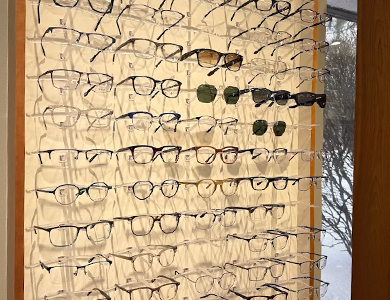
Find personalized eye care excellence with our comprehensive services. From eye exams to advanced diagnostics, trust us for all your vision needs.
Keep In Touch
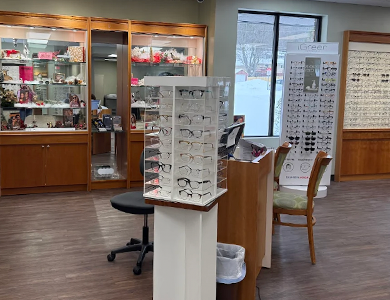
For non-urgent questions or to learn more about our services, contact us today!
© 2026 Greenbush Eye Center. All rights Reserved - Accessibility Statement - Privacy Policy - Sitemap
Managed and Designed by 